
Educational Articles
Resources and insights to guide you on your journey to studying abroad.
MIT EECS does not use the GRE, Berkeley EECS will not accept it, and no PhD in the UK, Germany or Canada asks for it. The English test is a different story: here is where an English-medium Indian degree is enough, where it is not, and what each test costs if you need one.
With a 4-year B.Tech you can apply straight to a PhD in the USA, Singapore and at EPFL. With a B.Sc plus M.Sc you qualify in all seven major destinations. Here is what each country asks of an Indian degree, with the grade lines universities publish for Indian applicants.
A GATE score can replace the GRE at NTU and NUS in Singapore, and at TU Munich for several master's programs. In the USA it replaces nothing, because many top programs have stopped reading the GRE altogether. Here is where GATE and CSIR NET count abroad, in the universities' own words.

MIT and Berkeley EECS close on 1 December 2026, Stanford CS on 8 December, Oxford and Cambridge in the first week of January, and Germany has no single deadline at all. Here are the Fall 2027 dates for Indian students, in one table, with the week-by-week plan that works backwards from them.
ETH Zurich pays doctoral students on five fixed salary rates, from CHF 53,500 to CHF 73,100 in the first year, and your department decides which one you get. Here are the 2026 rates, which departments use which, what is left after tax in Zurich, and how admission works.
EPFL pays a first-year doctoral assistant CHF 55,225 gross in 2026. After tax at source, pension and social insurance, that is roughly CHF 45,000 a year in hand - about ₹4.5 lakh a month. Here is the full gross-to-net breakdown, the fees a PhD student really pays, and how admission works.
A Max Planck PhD is paid through a funding contract pegged to the federal pay scale, TVöD E13, at a minimum of 65% - about €3,186 gross and €2,100 net a month in 2026. Here is the contract in plain language, how Helmholtz, Leibniz and Fraunhofer compare, and how Indian applicants get in through an IMPRS.
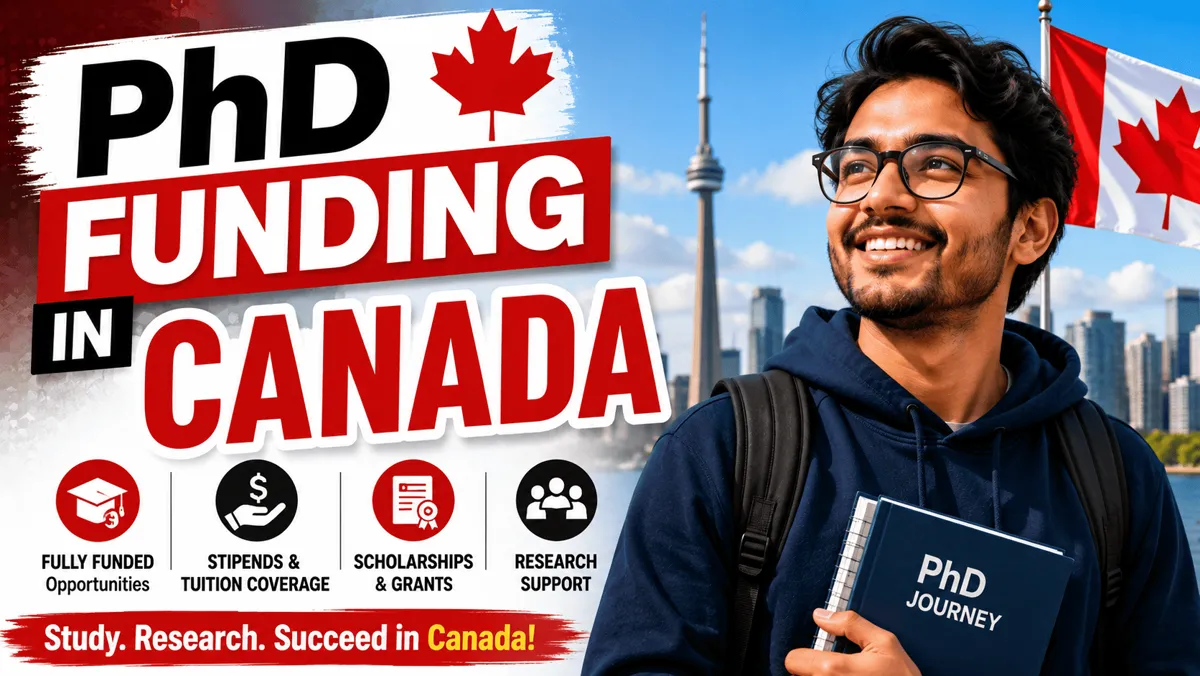
Toronto and UBC now guarantee every PhD student CAD $40,000 a year; Waterloo guarantees $29,145 and Alberta $25,000. But tuition comes out of those numbers differently at each university. Here is what six Canadian universities guarantee in 2026 and what an international student actually keeps.
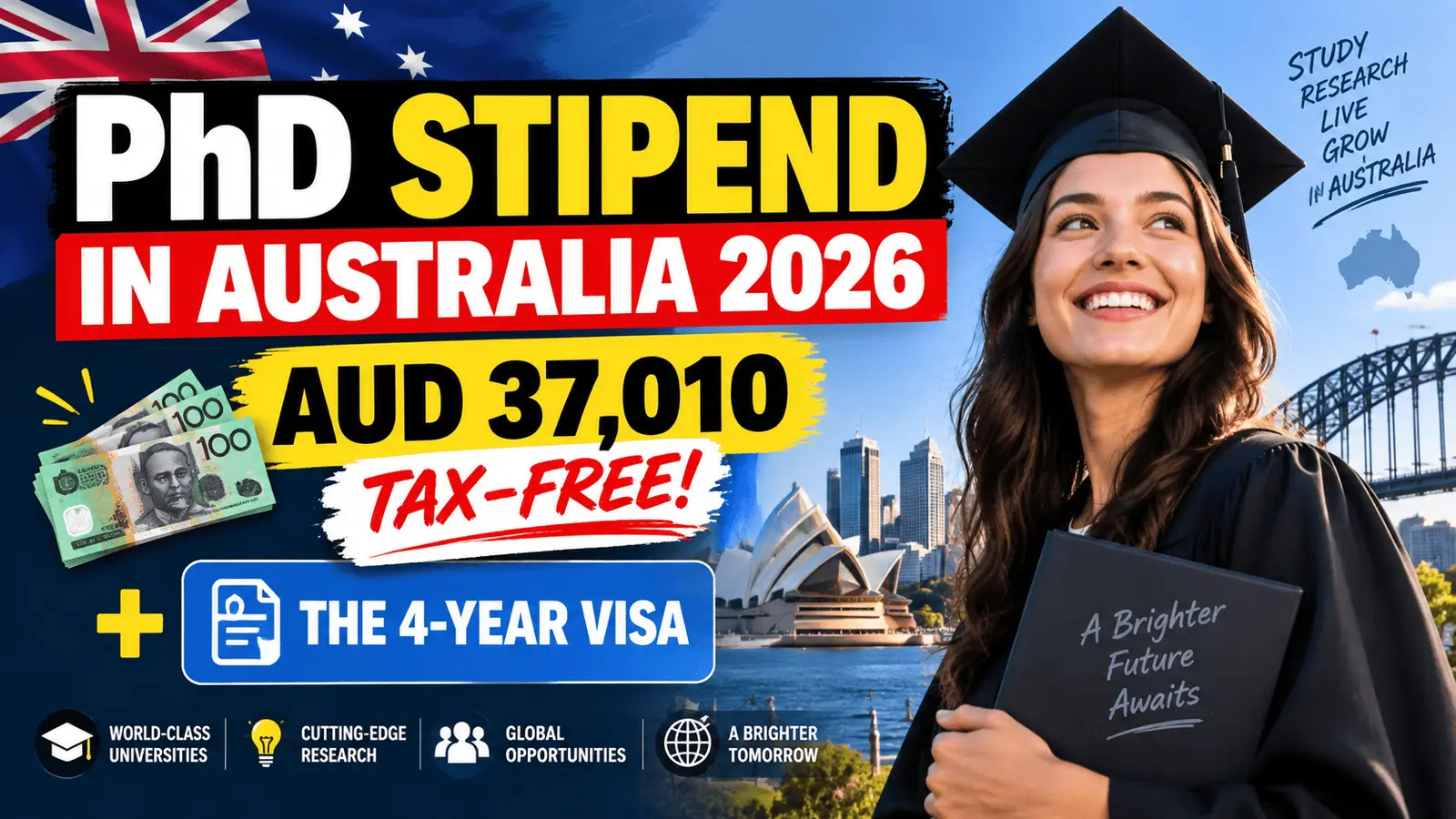
One government scheme funds nearly every PhD candidate in Australia, tax-free, at a university that also finishes in 3-4 years instead of 5-6. Here's what the Research Training Program actually pays in 2026, and the 4-year visa waiting at the other end.
NUS and NTU sit inside the world's top 20 universities, a short flight from India, and fund almost every PhD candidate they admit. Here's what the stipend actually pays in 2026, the GATE detail most consultancies never mention, and the one honest gap in the deal.
Switzerland doesn't advertise "funded" PhDs because it doesn't need to - every doctoral position there is already a paid job. Here's what that job actually pays in 2026, and why the tripled international tuition fee at ETH Zurich and EPFL does not apply to PhD students.

Loan officers quote ₹40–60 lakh for a foreign degree. A funded PhD deletes the tuition line entirely - but 'free' still isn't ₹0. Application fees, the APS certificate, the UK's ₹3.6 lakh health surcharge nobody warns you about: here is the complete country-by-country bill, in rupees.
A professor scans a cold PhD email for a few seconds before deciding: delete or answer. What survives is a specific, 150-word email built around their research, not yours. Here is the exact structure line by line, a filled-in sample email, subject lines for each situation, and the follow-up email word for word.

Yes, the 2026/27 UKRI rate is £21,805, completely tax-free - about ₹2.3 lakh a month. What the adverts don't say: some 'funded' offers pay fees only, the London weighting hasn't moved since 2006, and one line in your offer letter decides whether you're actually fully funded.
Canadian PhD offers come as a 'funding package' - and most guides still cite a scholarship that no longer exists. Here are the real 2026 numbers: typical packages, the new $120,000 CGRS-D award now open to international students, and the tuition line to check before you sign.
€1,400 a month, tax-free, for up to four years - and one deadline that decides everything: 21 October 2026 for the 2027 intake. Here is how DAAD doctoral funding actually works, and the single letter that makes or breaks your application.
US PhD offers say '$38,000 plus tuition waiver' and leave you to guess the rest. Here are the real 2026 numbers - stipends by university tier, the tax break only Indian students get, and what actually lands in your account each month.

German PhD adverts say things like '65% TV-L E13' and never explain that it means roughly €2,050 net a month - about ₹2.3 lakh. Here is the pay system in plain language: gross, net, and in rupees, from the 2026 pay table.
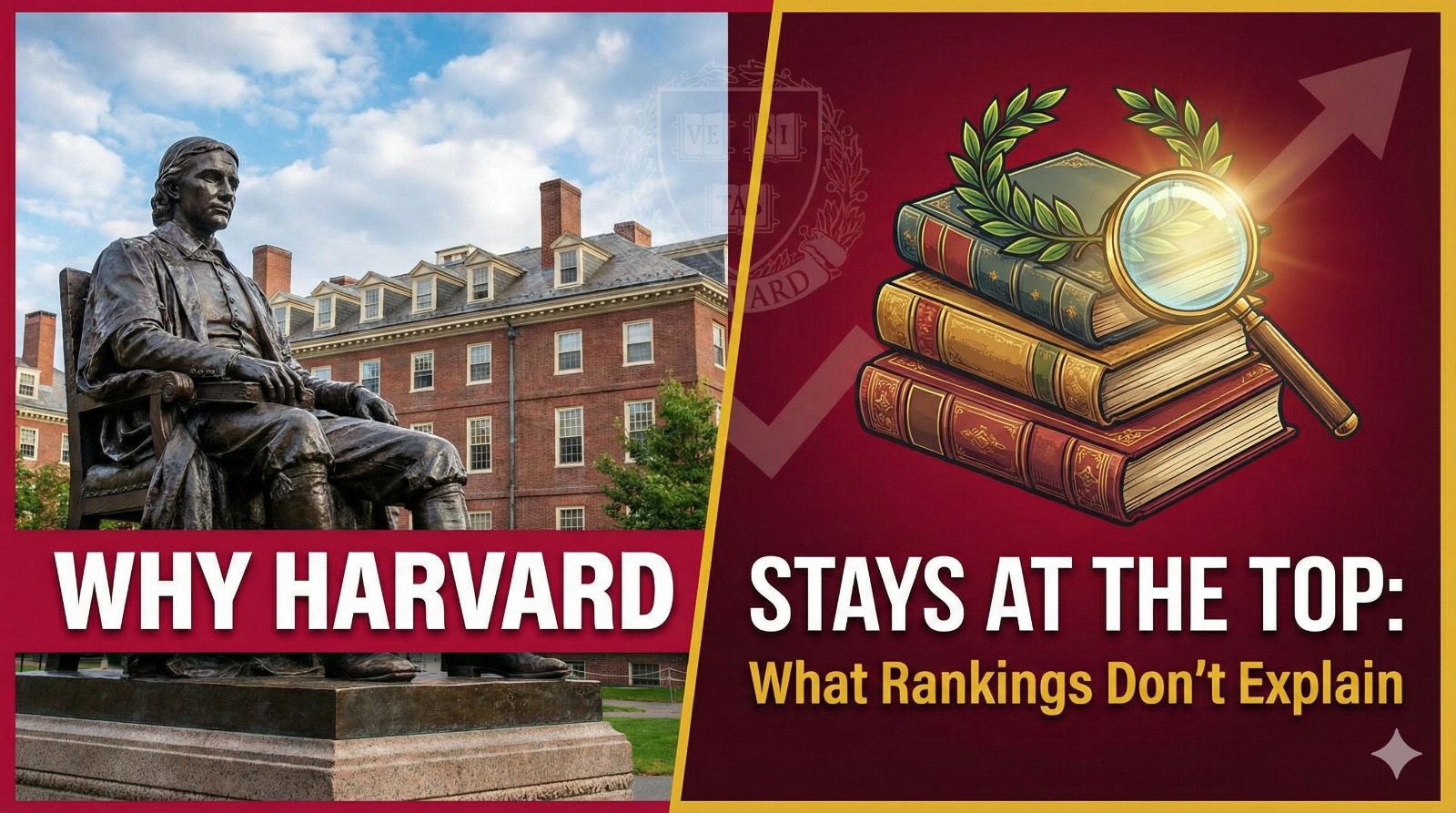
Harvard’s advantage is structural, not cosmetic. It has engineered an environment where ideas compound, standards remain unforgiving, and risk-taking is rewarded intelligently.

Understand the critical differences between F-1 and H1B visas and why the F-1 pathway is the most stable and strategic choice for your future in the US.

Because your dream deserves guidance - not a price tag. Discover our commitment to transparent, student-first counseling.
Students come back describing changes that have nothing to do with the degree. Here are the ones we hear most often.

One small error can cost you a full scholarship. Learn how to protect your dream from these common but fatal mistakes.
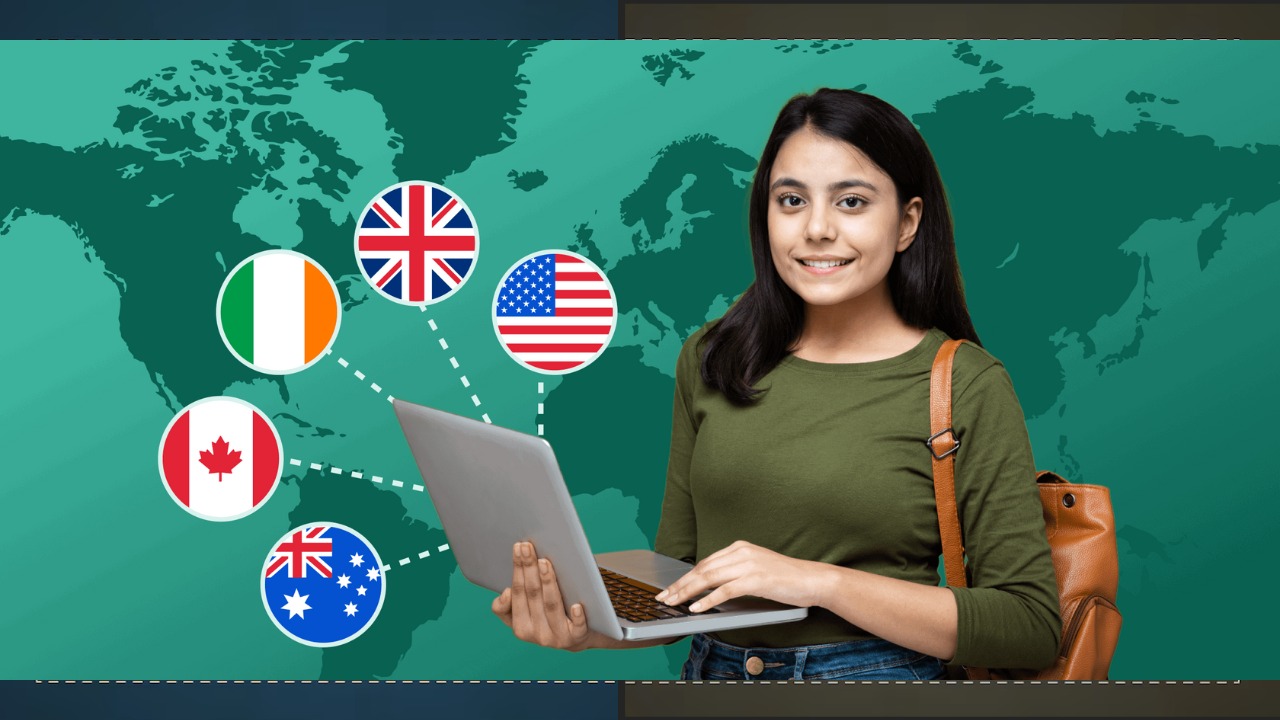
Because the right country doesn’t just change your education - it shapes your entire future.

Because you deserve to know the truth before you spend a single rupee.

If you think studying abroad is only for the rich or the “toppers,” read this before you give up on your dream.
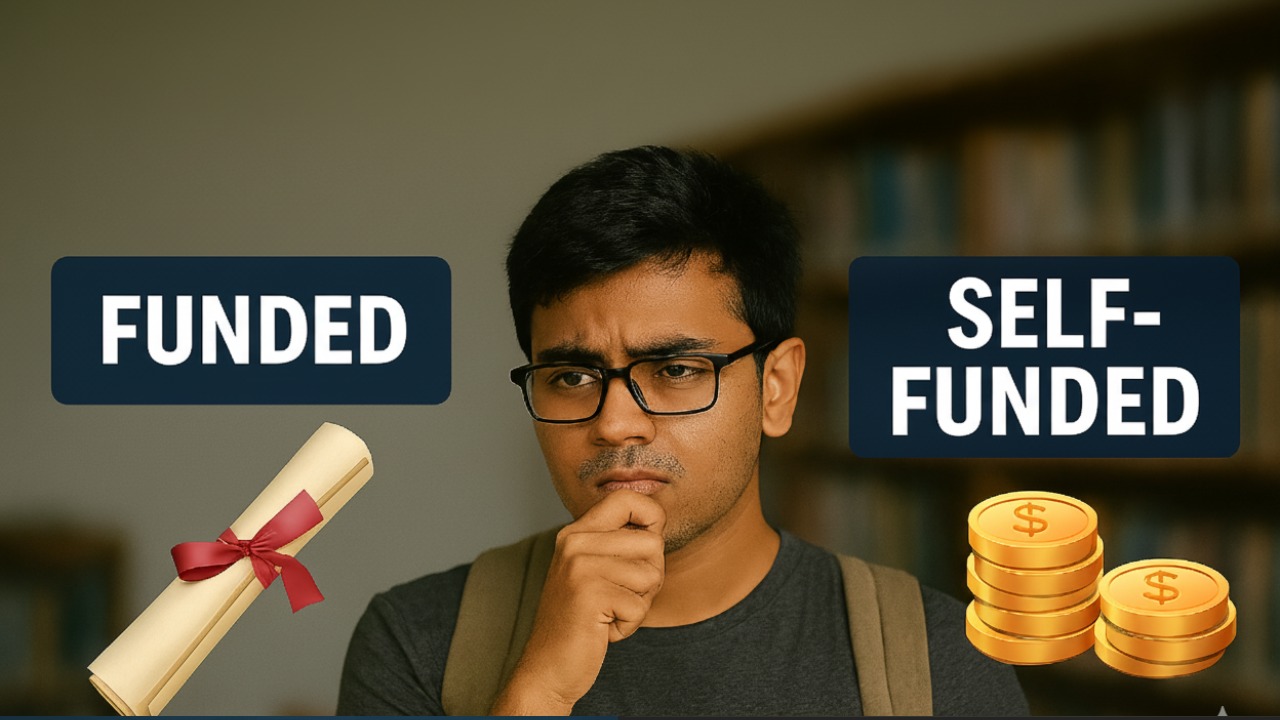
Choosing between a funded and a self-funded program isn't just about tuition. It's a choice between starting your career with financial freedom or a mountain of debt. Let's break down why a funded program is a strategic investment in your future.